
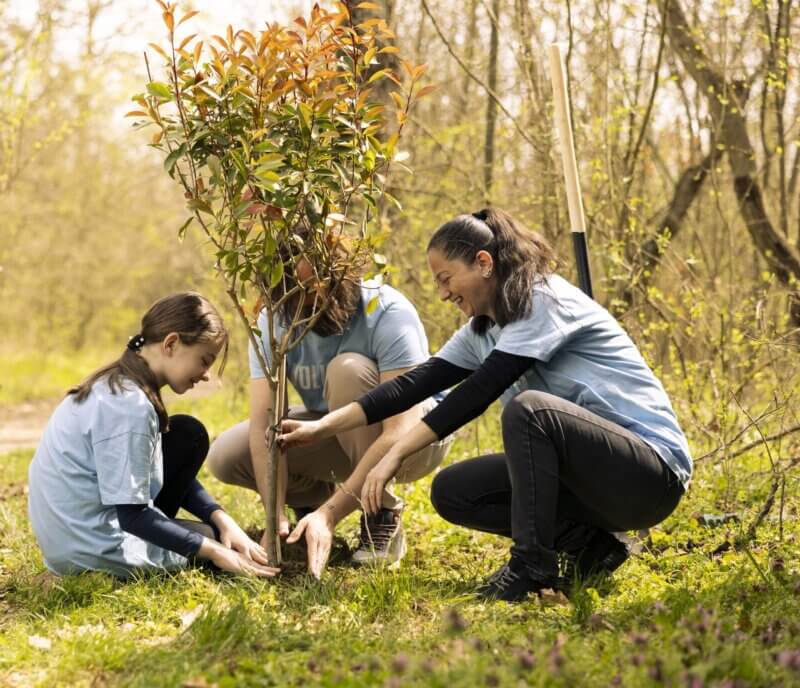
The Right Way To Plant A Tree In Illinois Soil
Planting a tree should be one of the easiest, most rewarding ways to improve your yard, but when you live in Illinois and your soil is heavy clay, it gets a little more complicated. Clay can make it harder for roots to spread, harder for water to drain, and harder for young trees to get the healthy start they need. But don’t worry: once you understand how clay behaves and how to work with it instead of against it, planting becomes much more successful, and your trees will thank you for decades to come.
Here’s everything you need to know to plant a tree the right way in Illinois clay soil, from choosing the right species to what not to do when mulching.
First, Understand Your Soil
Illinois is known for its rich farmland, but residential yards often sit on compacted clay, especially in suburban developments where topsoil was scraped away during construction. Clay soil is made up of tiny particles that pack tightly together. This creates three main challenges:
- Poor drainage. Water doesn’t move through clay easily, so it tends to pool or drain slowly.
- Limited oxygen. Roots need air, and clay traps so much water that it can suffocate young trees.
- Hard when dry, sticky when wet. It compacts easily and is tough to work with in extremes.
Before you even pick a shovel, it’s worth grabbing a handful of soil when it’s damp and rolling it in your hand. If it holds its shape and feels sticky, you’ve got clay. Knowing this sets the stage for every decision to follow.
Step 1: Choose the Right Tree for Clay Soil
Not every tree can handle heavy, poorly draining soil. Some will rot out or stay stunted no matter what you do. Thankfully, there are many tough, beautiful trees that actually do well in clay.
Recommended Trees:
- Bur Oak (Quercus macrocarpa): A true Illinois native, bur oaks are resilient, long-lived, and thrive in tough conditions.
- Swamp White Oak (Quercus bicolor): As the name suggests, it’s adapted to wet, heavy soils.
- Red Maple (Acer rubrum): Especially good for fall color and tolerates clay fairly well.
- Hackberry (Celtis occidentalis): Underrated and hardy, hackberries do well where others struggle.
- Serviceberry (Amelanchier spp.): A smaller ornamental that tolerates clay and offers spring blooms and fall color.
If you’re not sure what to plant, check with your local extension office or a reputable native nursery. They’ll steer you toward species that not only survive but thrive.
Step 2: Time Your Planting
In Illinois, your two best windows for planting trees are:
- Early spring (April to early May): Trees are just waking up, and the soil is warming.
- Early fall (late September to mid-October): Cooler temps reduce stress and encourage root growth before winter.
Avoid planting in midsummer when heat stress is high. Planting at the right time gives your tree a huge head start
Step 3: Dig the Hole Wider, Not Deeper
This is the step where most people go wrong, especially in clay soil.
- Width: Make the hole 2–3 times wider than the root ball. This gives roots soft soil to expand into.
- Depth: Dig only as deep as the root flare (where the trunk starts to widen at the base). You want the top of the root ball either level with or slightly above the surrounding soil. Planting too deep is one of the fastest ways to kill a young tree
Pro tip:
Don’t dig when the soil is too wet. Wet clay compacts into brick. If you can roll it into a sticky rope in your hands, wait a day or two
Step 4: Rough Up the Sides
Clay tends to form a hard, smooth “bowl” when dug, which can trap water and keep roots from spreading out. After you dig the hole, use your shovel to score or rough up the sides. This helps roots break through the walls of the hole rather than growing in circles.
Step 5: Remove All Packaging Materials
Whether you’re planting a balled and burlapped (B&B), container grown, or bare root tree, it’s critical to remove all the non natural material.
- B&B: Remove as much of the burlap, string, and wire basket as possible, especially from the top and sides.
- Container: Check for circling roots. Tease them loose or slice them vertically to encourage outward growth.
- Bare root: Keep roots moist during planting and spread them evenly in the hole.
Don’t assume biodegradable means safe to leave in place. Burlap and twine often stay intact for years and can girdle roots.
Step 6: Backfill With the Same Soil
It’s tempting to mix in compost, peat moss, or potting soil to “help” the tree, but this backfires in clay. The amended soil becomes a sponge that holds water, while the surrounding clay keeps that water from draining out. The result is a drowned root zone.
Instead, refill the hole with the same soil you dug out. Break up large clumps and remove rocks, but don’t replace it with something soft and rich. Your tree needs to adjust to the native soil from day one.
Step 7: Create a Water Basin
Once the tree is planted and the soil is lightly tamped down (not stomped!), use leftover soil to build a shallow ring or berm around the edge of the planting hole. This creates a basin to catch and hold water, making irrigation more effective
Step 8: Water Thoroughly
Right after planting, give the tree a slow, deep watering to settle the soil and eliminate air pockets. In the first few weeks, keep the root zone consistently moist, but never soggy. Tree bags are useful during the first season. Fill halfway full (10 gallons).
Watering Schedule For Less Than 2 Inch Caliper (Year 1):
Caliper refers to the diameter (width) of the tree.
- First 2 weeks: Water every day
- Weeks 3–8: Water every other day
- Weeks 9 and thereafter: Water weekly until established.
Watering Schedule For More Than 2 Inch Caliper (Year 1):
- Weeks 1-4: Water every day
- Weeks 3–12: Water every other day
- Weeks 13 and thereafter: Water weekly until established.
Stick your finger in the soil to test. If it’s dry 2–3 inches down, it’s time to water.
Step 9: Mulch, But Don’t Pile It On
Mulch helps retain moisture, suppress weeds, and regulate soil temperature, but too much mulch is harmful.
Mulching Tips:
- Use natural wood chips or shredded bark
- Spread 2–3 inches deep in a donut shape
- Keep mulch at least 3 inches away from the trunk
Avoid the dreaded “mulch volcano.” Piling mulch against the trunk keeps moisture against the bark, which leads to decay and girdling roots.
Step 10: Skip the Fertilizer
It’s tempting to throw in some fertilizer to give your new tree a boost, but don’t. Young trees need to focus on root development, not top growth. Fertilizer can push fast, weak growth that’s more vulnerable to pests and weather.
Wait at least a full growing season before considering fertilization, and only if your soil test shows it’s necessary.
Watch for Trouble Signs
Your job doesn’t end after planting. Keep an eye on your tree for the first year, especially during extreme heat or drought.
Signs of Stress:
- Droopy, yellowing leaves: May indicate overwatering or poor drainage
- Dry, crispy leaves: Usually under watering or heat stress
- Leaning trunk: Stake loosely if needed, but remove within 12 months
Final Thoughts: Patience Pays Off
Planting in clay soil is not impossible, it just requires a little more care and a lot more patience. In the first year, your tree may not grow much above ground. That’s okay. It’s busy below the surface, working hard to establish roots in tough conditions.
By year two or three, if you’ve planted correctly and cared for it, you’ll see healthy new growth, improved shape, and stronger resistance to weather. Trees are long term investments, and the effort you put in now will pay off.