
Balled & Burlapped, Container, Or Bare Root Trees?
When selecting a new tree for your landscape, the way it’s packaged at the nursery can make a big difference in how well it performs after planting. The three most common options are balled and burlapped, container grown, and bare root. All have unique characteristics that affect planting methods, root development, and transplant success.
Balled and burlapped trees, often referred to as B&B, are typically field grown, meaning they’ve matured in open soil and are later dug up with a large mass of earth around their roots. This root ball is wrapped in burlap and held together with twine or a wire basket to keep it intact. These trees are usually larger and more mature at the time of planting, which is ideal for those looking for an instant impact in the landscape. However, their size also makes them heavier and more difficult to handle. Despite being robust, B&B trees can suffer from root loss during digging, and transplant shock is common. Proper care during planting, including removing all non natural material, is critical for the tree’s ability to reestablish roots in its new location.
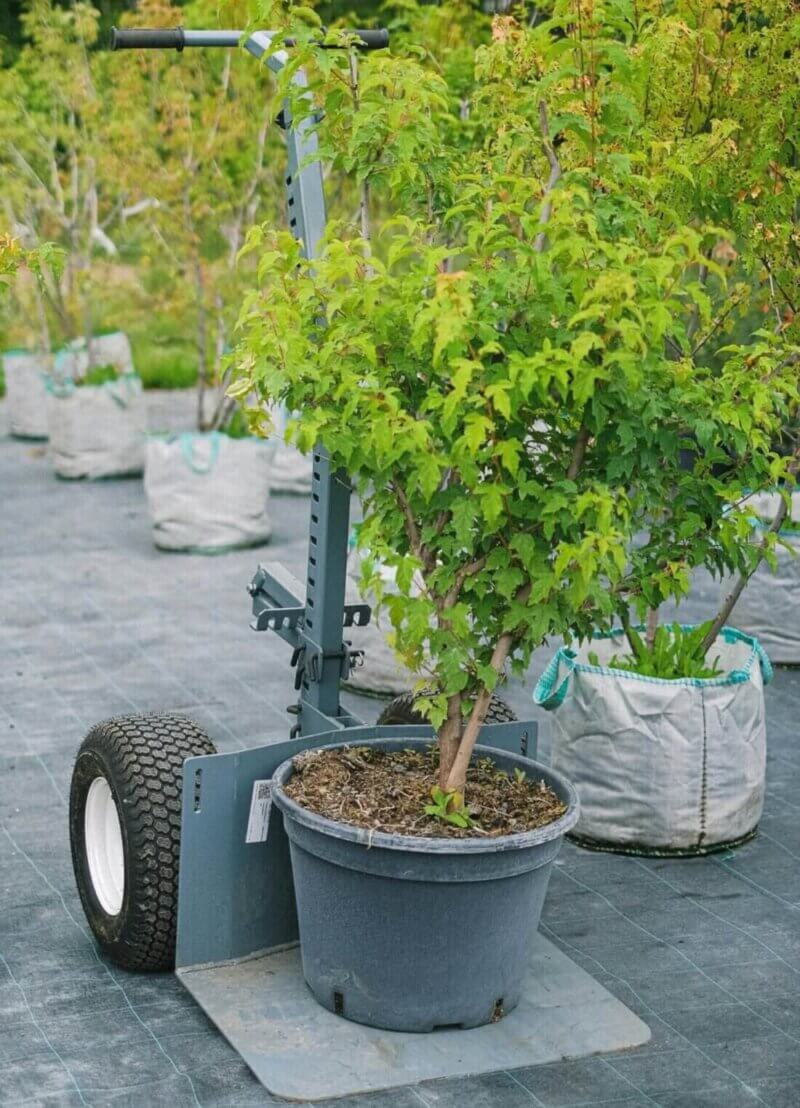
Container grown trees are popular for homeowners and landscapers alike because they’re lightweight, easy to transport, and available year round. These trees are grown in pots, allowing them to develop dense root systems. But this convenience can come with a hidden problem: circling roots. If a tree has been in its container too long, the roots may start to spiral around the pot, which can eventually girdle the tree and restrict water and nutrient flow. Before planting, it’s important to inspect the root ball and gently tease apart or slice through any circling roots to encourage them to grow outward into the soil. With proper handling, container trees typically experience less transplant shock than B&B trees and establish quickly.
Bare root trees are shipped or sold without any soil around their roots, typically during their dormant season in early spring or late fall. Because they are lighter and more compact, they’re often less expensive and easier to plant, making them a favorite for orchardists and experienced gardeners. The absence of soil allows you to see the entire root system, which makes it easier to correct poor root structure or damage before planting. However, bare root trees are vulnerable to drying out and must be handled carefully. Their success depends heavily on planting at the right time and maintaining adequate moisture in the first year.
Each of these tree types has its strengths and limitations. B&B trees provide instant impact but require heavy lifting and careful planting. Container trees are convenient and readily available, but often need root correction. Bare root trees are cost effective and encourage fast root establishment but demand careful timing and handling. Choosing the right type depends on your landscape goals, your planting timeline, and your comfort level with post planting care.
Summary Table
| Feature | Balled & Burlap (B&B) | Container Grown | Bare Root |
| Root retention | Low (10–20%) | High (almost 100%) | Moderate |
| Cost | $$$ | $$ | $ |
| Ease of handling | Heavy | Easy | Very easy |
| Planting season | Spring/Fall | Spring–Fall | Early Spring/Fall only |
| Size availability | Medium to Large | Small to Medium | Small |
| Best for | Instant impact, shade | DIY homeowners | Budget plantings, orchards |
If you’re planting a single shade tree in your yard, a container grown tree is often the best blend of convenience and success.
For budget projects or tree planting in bulk (like reforestation), bare root is the top choice.
For a larger, landscape ready tree, B&B is the way to go, but be prepared to invest time, money, and labor.